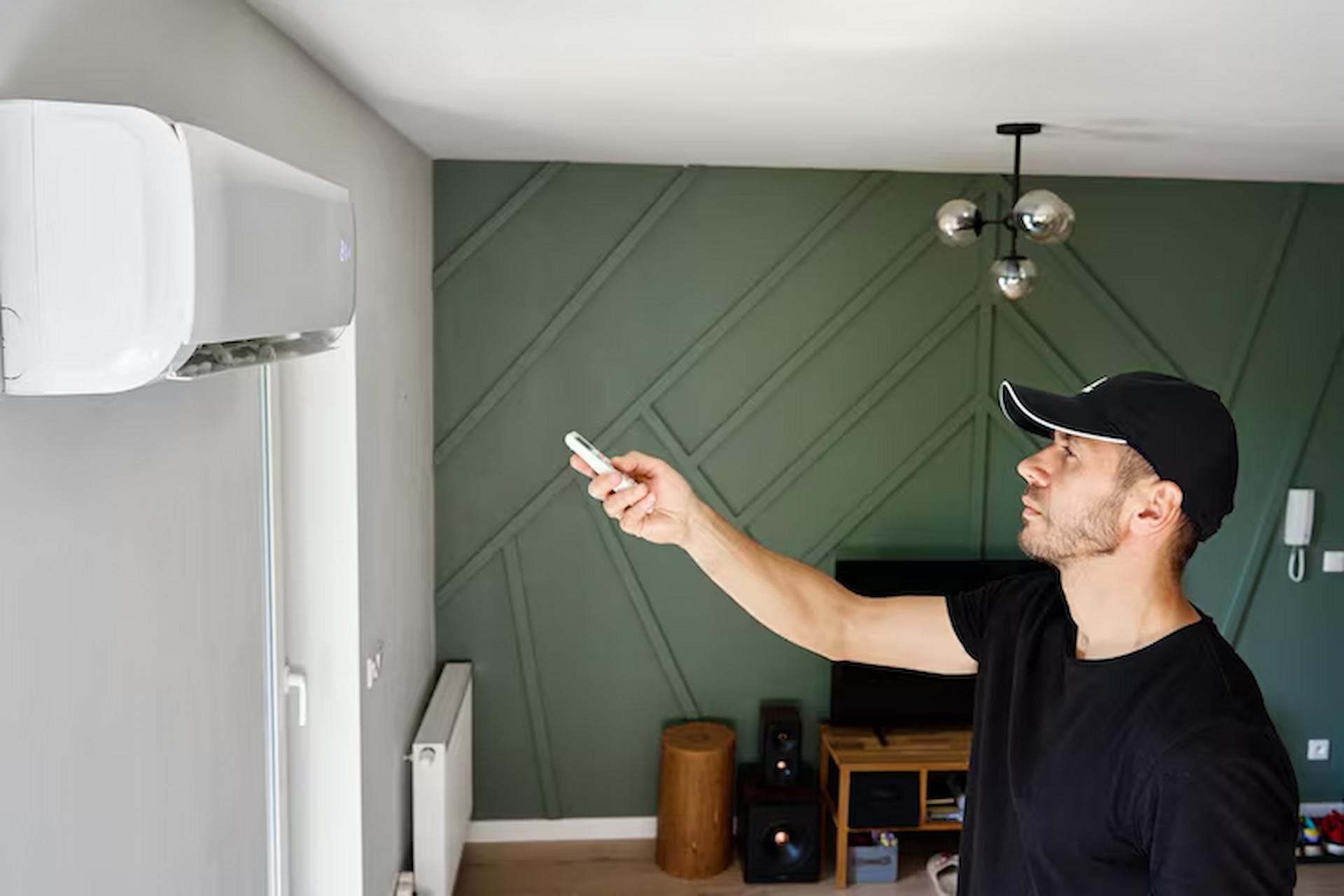
A reliable air conditioning system plays a major role in maintaining indoor comfort, especially during long periods of hot and humid weather. Many homeowners continue repairing older cooling units without realising that repeated problems often indicate the system is reaching the end of its lifespan. While regular maintenance can improve performance for several years, there eventually comes a point when replacement becomes the more practical and cost-effective option.
Homeowners considering AC installation in Wilmington, NC often begin the process after noticing changes in system efficiency, indoor comfort, or rising energy costs. Older units can gradually lose their ability to cool consistently, placing additional strain on components and increasing the likelihood of breakdowns during peak summer conditions.
Recognising the early warning signs of a failing air conditioning system can help homeowners avoid unexpected disruptions and make more informed decisions about upgrading before problems become severe.
Rising Energy Bills Without Increased Usage
One of the clearest indicators of an ageing air conditioner is steadily increasing energy costs. Older systems typically require more electricity to produce the same level of cooling that newer systems deliver more efficiently.
Technological improvements in modern cooling equipment have significantly increased energy performance over the last decade. Many older systems operate with lower Seasonal Energy Efficiency Ratio (SEER) ratings, meaning they consume more power during daily operation.
Modern high-efficiency systems are designed to cool homes more effectively while reducing unnecessary energy use. Variable-speed motors, improved compressors, and advanced airflow management all contribute to lower monthly utility bills.
Homeowners sometimes assume rising energy costs are simply caused by weather changes or increased electricity prices. However, inefficient cooling equipment is often a major contributor, especially during peak summer months when systems run continuously.
If energy bills continue climbing despite regular maintenance, it may be time to evaluate whether upgrading the system would provide better long-term savings.
Uneven Cooling Throughout the Home
An air conditioning system should provide consistent temperatures across every room in the property. If some areas feel significantly warmer while others remain overly cold, the system may no longer be distributing air efficiently.
Uneven cooling can develop for several reasons. Ageing components may struggle to maintain airflow, ductwork may lose efficiency, or the system itself may simply be too small or outdated for the property’s current cooling demands.
In many cases, homeowners begin noticing hot spots during warmer afternoons or upstairs rooms becoming uncomfortable despite the system running continuously. While thermostat adjustments may temporarily improve conditions, persistent inconsistencies often point towards declining system performance.
Newer air conditioning systems offer improved zoning capabilities, smarter airflow management, and better humidity control, helping create a more balanced indoor environment throughout the home.
Frequent Repairs Are Becoming More Common
Occasional repairs are expected during the lifespan of any HVAC system. However, when breakdowns become increasingly frequent, repair costs can quickly outweigh the value of keeping an older unit operational.
Repeated issues involving compressors, refrigerant leaks, blower motors, or electrical components usually indicate broader system wear. Even if individual repairs appear manageable, the cumulative expense of ongoing service visits can become substantial over time.
Many homeowners delay replacement because they hope one more repair will solve the problem permanently. Unfortunately, ageing systems often continue developing new issues as additional components wear down.
Investing in a modern replacement system may reduce unexpected repair expenses while improving overall reliability. New systems are generally designed with updated components and improved energy standards that support longer-term performance.
The System Is More Than 10 to 15 Years Old
Age alone does not automatically mean an air conditioner needs replacement, but most residential cooling systems begin losing efficiency and reliability after approximately 10 to 15 years of use.
Older units may rely on outdated refrigerants, experience reduced cooling output, or struggle to meet modern energy-efficiency expectations. Even if the system still operates, it may no longer perform as effectively as newer equipment available today.
As systems age, manufacturers may also discontinue certain replacement parts, making repairs more expensive or difficult to complete. Homeowners sometimes discover that sourcing components for older models becomes increasingly impractical.
Those exploring AC installation in Wilmington, NC often choose replacement systems that offer improved reliability, quieter operation, and enhanced energy efficiency compared to older models installed many years ago.
Excess Humidity and Poor Indoor Comfort
Air conditioning systems do more than cool the air. They also help regulate indoor humidity levels, which directly affect comfort inside the home.
Older or failing systems may struggle to remove excess moisture effectively, leaving indoor spaces feeling damp, sticky, or uncomfortable even when temperatures appear normal. High humidity can also contribute to mould growth, musty odours, and reduced indoor air quality.
If windows frequently collect condensation or rooms feel humid despite constant cooling, the system may no longer be functioning properly. This issue is especially noticeable in coastal or humid regions where moisture control is essential for indoor comfort.
Modern systems are often equipped with improved humidity management technology that helps maintain healthier and more comfortable indoor conditions throughout the year.
Strange Noises and Unusual Odours
Air conditioning systems naturally produce some operational noise, but sudden or persistent sounds should never be ignored. Grinding, rattling, banging, or squealing noises can indicate serious mechanical problems developing inside the system.
Similarly, unusual smells may signal electrical issues, overheating components, mould growth, or blocked drainage systems. Burning odours should always be investigated immediately, as they may point towards potentially dangerous electrical faults.
Many homeowners become accustomed to minor noises over time, assuming they are harmless. However, changes in sound or odour often indicate worsening internal wear that could eventually result in complete system failure.
Upgrading to a newer system can significantly reduce operational noise while improving overall safety and performance.
Poor Airflow and Reduced Performance
Weak airflow is another common sign that an air conditioning system may be nearing replacement. Reduced airflow makes it difficult to maintain comfortable indoor temperatures and forces the system to work harder than necessary.
Several issues can contribute to airflow problems, including failing blower motors, clogged ducts, damaged components, or general system deterioration. While some airflow issues can be repaired, persistent performance problems often indicate the system itself is becoming inefficient.
Homeowners may notice that rooms take longer to cool or that vents no longer deliver strong, steady airflow. These problems can gradually worsen over time, especially during periods of heavy use.
A modern replacement system can improve airflow consistency while delivering faster and more effective cooling throughout the property.
Conclusion
Upgrading a home air conditioning system is a significant decision, but recognising the warning signs early can help homeowners avoid costly repairs, rising energy bills, and unexpected breakdowns. Persistent performance issues, uneven cooling, excessive humidity, and increasing repair needs often indicate that an older system is no longer operating efficiently.
Modern air conditioning systems provide substantial improvements in comfort, energy efficiency, reliability, and indoor air quality. For homeowners experiencing ongoing cooling problems, replacing an ageing system may offer better long-term value and a more comfortable living environment year-round.