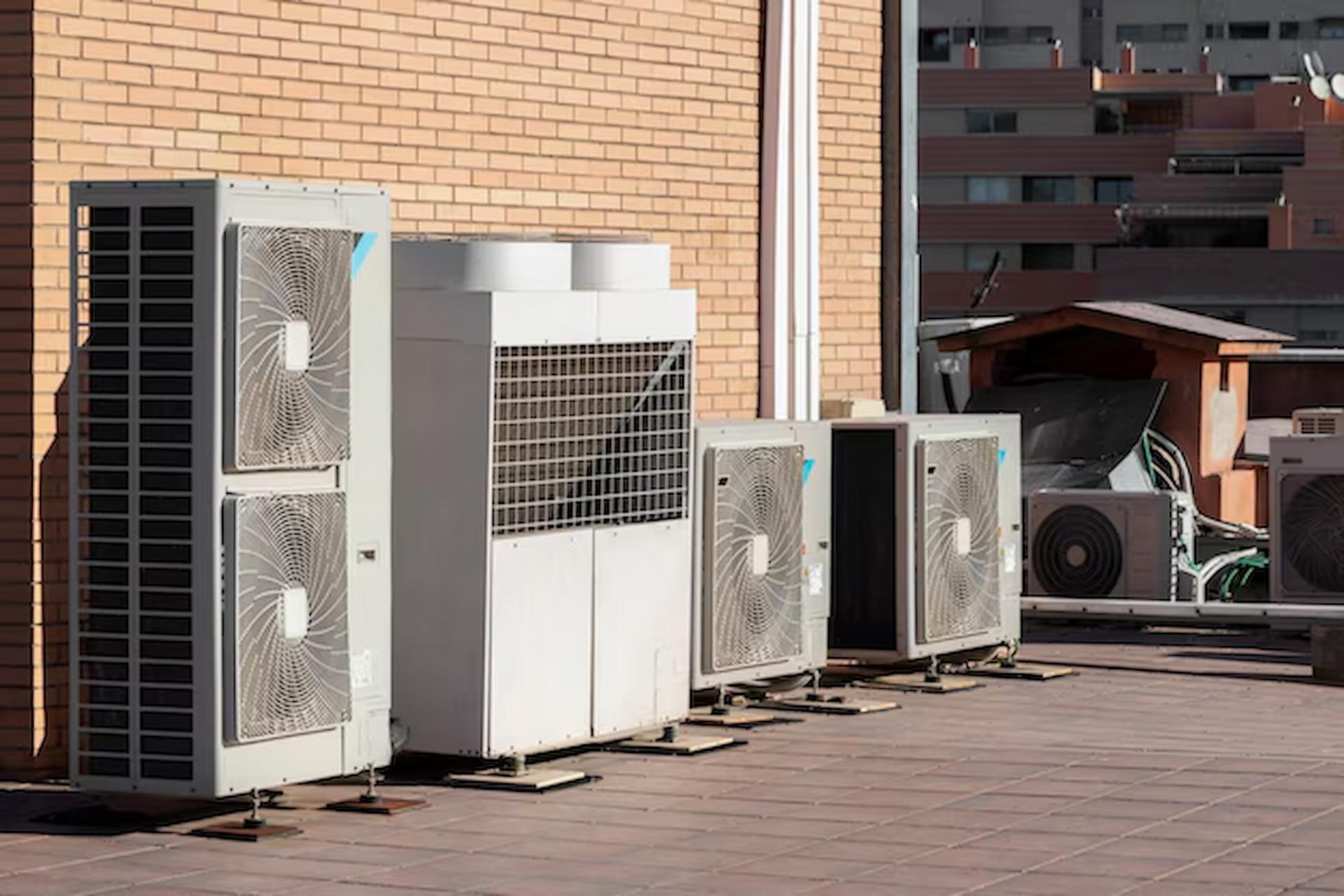
Choosing the right cooling system is one of the most important decisions homeowners can make for long-term comfort, energy efficiency, and household running costs. A well-matched system helps maintain stable indoor temperatures, improves air quality, and reduces unnecessary energy consumption throughout the year. However, many people focus only on the purchase price and overlook factors such as home size, insulation quality, and system efficiency.
Homeowners planning an AC installation should take time to compare different cooling options carefully before making a decision. The right system can lower monthly utility bills, reduce future repairs, and create a more comfortable indoor environment during warmer months. Understanding how each cooling system works makes it much easier to choose an option that fits both the property and the household budget.
Understanding the Different Types of Cooling Systems
Modern cooling systems come in several forms, and each option suits different property types and household needs. Understanding the strengths and limitations of each system helps homeowners make more informed decisions.
Central Air Conditioning Systems
Central air conditioning remains one of the most common cooling solutions for larger homes. These systems use ductwork to distribute cooled air evenly throughout the property, creating consistent indoor temperatures across multiple rooms.
They are often ideal for households already equipped with existing duct systems. Central systems also work well for families seeking whole-home cooling with minimal daily adjustments. However, efficiency depends heavily on proper duct maintenance and professional installation.
Heat Pumps
Heat pumps have become increasingly popular because they provide both heating and cooling from a single system. During warmer weather, they remove heat from inside the home and transfer it outdoors. In cooler months, the process reverses to provide warmth.
These systems are known for strong energy efficiency and lower environmental impact compared to some traditional heating and cooling setups. They are especially effective in moderate climates where temperatures remain relatively stable throughout the year.
Ductless Mini-Split Systems
Ductless mini-split systems are useful for homes without existing ductwork or for areas requiring independent temperature control. They allow homeowners to cool individual rooms or zones separately, which can reduce unnecessary energy use.
Mini-splits are commonly installed in loft conversions, home offices, garages, extensions, and smaller properties where installing full ductwork would be expensive or impractical.
Factors That Affect Cooling System Performance
A cooling system’s performance depends on much more than the equipment itself. Several property-related factors directly influence how efficiently the system operates.
Home Size and Layout
An oversized system may cool the home too quickly without properly removing humidity from the air. An undersized unit often struggles to maintain comfortable temperatures and may run constantly during hot weather.
Professional load calculations help determine the correct system size based on square footage, ceiling height, room arrangement, and airflow requirements.
Insulation and Air Leakage
Poor insulation forces cooling systems to work harder than necessary. Homes with air leaks around windows, doors, or attic spaces often lose cooled air rapidly, increasing energy usage and reducing comfort.
Improving insulation before installing a new system can significantly improve overall efficiency.
Climate Conditions
Local climate plays a major role when selecting cooling equipment. Homes located in areas with extreme summer temperatures may require systems with higher cooling capacities and stronger humidity control features.
Heat pumps may perform exceptionally well in moderate regions, while traditional central systems may suit areas with consistently high temperatures.
Energy Efficiency Ratings Homeowners Should Understand
Energy efficiency should always be a major consideration when comparing cooling systems. Higher efficiency equipment often costs more initially but can deliver substantial long-term savings.
Understanding SEER Ratings
SEER stands for Seasonal Energy Efficiency Ratio. This rating measures how efficiently a cooling system operates throughout a typical cooling season. Higher SEER ratings generally indicate lower energy consumption.
Modern systems with higher efficiency ratings often include advanced technology such as variable-speed compressors and improved airflow management.
Balancing Efficiency and Budget
Although premium systems may carry higher upfront costs, homeowners should evaluate long-term operating expenses rather than focusing solely on installation pricing.
Lower monthly utility bills, fewer repairs, and extended equipment lifespan often offset the initial investment over time.
Common Mistakes People Make When Choosing a Cooling System
Many cooling problems begin long before installation because homeowners choose systems without considering their property’s actual needs.
One of the most common mistakes is selecting equipment based only on price. While budget matters, the cheapest system may not provide adequate efficiency, durability, or comfort over time.
Another issue involves ignoring existing ductwork conditions. Damaged or leaking ducts can reduce cooling efficiency significantly, even when paired with modern equipment.
Some homeowners also delay maintenance planning. Even high-quality systems require regular inspections, filter replacements, and servicing to maintain strong performance and prevent unexpected breakdowns.
Improper sizing is another major concern. A system that is too large or too small can create uneven cooling, higher utility bills, and increased wear on components.
Why Professional Installation Matters for Long-Term Reliability
Even the most advanced cooling equipment can perform poorly if installed incorrectly. Professional installation directly affects efficiency, airflow balance, system lifespan, and overall reliability.
Experienced HVAC professionals calculate cooling loads accurately, ensure proper refrigerant levels, and verify airflow throughout the property. These technical adjustments help prevent future performance issues.
Professional installation also helps protect manufacturer warranties. Many manufacturers require certified installation to maintain warranty coverage for key system components.
Additional benefits of professional installation include:
- Better indoor comfort and airflow consistency
- Lower likelihood of early system failures
- Improved energy efficiency
- Reduced risk of refrigerant leaks
- Longer operational lifespan
Careful installation provides homeowners with greater confidence that the system will perform efficiently during periods of heavy use.
Smart Features and Modern Cooling Technology
Modern cooling systems now include technology designed to improve convenience, efficiency, and indoor comfort.
Smart Thermostats
Smart thermostats allow homeowners to control indoor temperatures remotely through mobile devices. Many models learn household routines and automatically adjust settings to reduce unnecessary energy use.
Zoned Cooling Systems
Zoning technology enables different parts of the home to maintain separate temperatures. This feature improves comfort while reducing wasted cooling in unused spaces.
Variable-Speed Technology
Variable-speed compressors and fans adjust cooling output gradually instead of operating at full power constantly. This improves efficiency, reduces temperature fluctuations, and creates quieter operation.
Indoor Air Quality Features
Some modern systems include built-in air purification, humidity control, and advanced filtration features that improve indoor air quality alongside cooling performance.
Conclusion
Choosing the right cooling system involves much more than selecting the first available option or focusing only on upfront costs. Homeowners should carefully consider property size, insulation quality, energy efficiency ratings, climate conditions, and long-term maintenance requirements before making a final decision.
The best cooling systems provide a balance of comfort, reliability, and operating efficiency while supporting healthier indoor environments and lower energy bills. Whether selecting a central air conditioner, heat pump, or ductless system, informed planning helps homeowners avoid costly mistakes and improve long-term satisfaction. With proper system selection and professional installation, a modern cooling setup can deliver dependable performance and year-round indoor comfort for many years to come.