Home staging is one of the most effective ways to make a property stand out in a competitive market. From creating inviting spaces and improving lighting to removing personal items and arranging furniture strategically, the right staging techniques can help buyers form an emotional connection with your home. This guide explores practical, room-by-room staging advice, common mistakes to avoid, and how to decide whether professional staging or a DIY approach is right for you.
Introduction
Selling a home is about more than listing a property and waiting for offers. Buyers often make emotional decisions long before they analyse square footage, floor plans, or renovation costs. Within moments of walking through the front door, many have already formed an opinion about whether the property feels right.
That is where home staging becomes so valuable. Effective staging helps buyers picture themselves living in the space. It highlights a home’s strengths, minimises distractions, and creates a welcoming atmosphere that encourages stronger interest and better offers.
The good news is that successful home staging does not always require a large budget. With the right approach, you can transform the way buyers see your property and increase its appeal significantly.
Why Home Staging Matters
When buyers view a home, they are not simply looking at walls, floors, and fixtures. They are imagining their future lifestyle.
A well-staged property feels brighter, more spacious, and more inviting. It helps buyers understand how rooms can be used and creates a sense of comfort that is difficult to achieve in an empty or cluttered space.
Properties that present well often receive more viewings, generate greater interest, and spend less time on the market. Staging is not about deceiving buyers. It is about helping them see the home’s full potential.
Start with Depersonalisation
One of the biggest mistakes sellers make is leaving too much of themselves visible throughout the property. Family photographs, personalised décor, children’s artwork, collections, and highly specific design choices can make it difficult for buyers to imagine the home as their own.
The goal is not to remove all personality. Instead, create a neutral environment that appeals to a wider audience.
Store away personal items and simplify decorative displays. This allows buyers to focus on the property’s features rather than the people currently living there. Think of it as preparing the home to welcome its next owner.
Make Every Room Feel Purposeful
Buyers want to understand how each space can be used. Rooms that feel cluttered, oversized, or undefined often create confusion. A spare room filled with random storage boxes may appear smaller than it really is. An empty room may leave buyers unsure of its purpose. Arrange furniture to clearly define each area’s function.
A guest bedroom should look like a guest bedroom. A home office should feel productive and organised. A dining room should encourage buyers to imagine family meals and entertaining guests. Purpose creates clarity, and clarity helps buyers feel confident.
Use Furniture to Improve Space Perception
Many sellers believe removing all furniture makes rooms appear larger. In reality, completely empty rooms often feel cold and difficult to judge. The right furniture arrangement helps buyers understand scale and flow.
- Choose furniture that fits the size of the room.
- Avoid oversized sofas, tables, or cabinets that make spaces feel cramped.
- Leave enough room for comfortable movement between furniture pieces.
- Arrange furniture to create a natural flow through the room.
- Highlight key features such as fireplaces, large windows, or architectural details.
- Use fewer pieces of furniture to make rooms feel more open and spacious.
- Keep walkways clear and uncluttered.
- Create conversation areas that make the room feel welcoming and functional.
- Remove unnecessary furniture that serves no purpose.
- Use mirrors carefully to help reflect light and create a greater sense of space.
Less is often more. A carefully arranged room typically feels larger, brighter, and more inviting than one filled with unnecessary furniture.
Lighting Can Transform a Home
Lighting has a remarkable effect on how buyers experience a property. Dark rooms can feel smaller, older, and less inviting. Bright spaces often appear larger, cleaner, and more welcoming.
Before viewings, open curtains and blinds to maximise natural light. Clean windows thoroughly to allow more sunlight inside.
Replace dim bulbs with brighter options and ensure all fixtures work properly. Consider adding lamps to darker corners where needed.
Warm, consistent lighting throughout the property creates a comfortable atmosphere that buyers respond to positively.
Focus on Key Rooms First
If your budget or time is limited, prioritise the rooms that influence buying decisions most strongly.
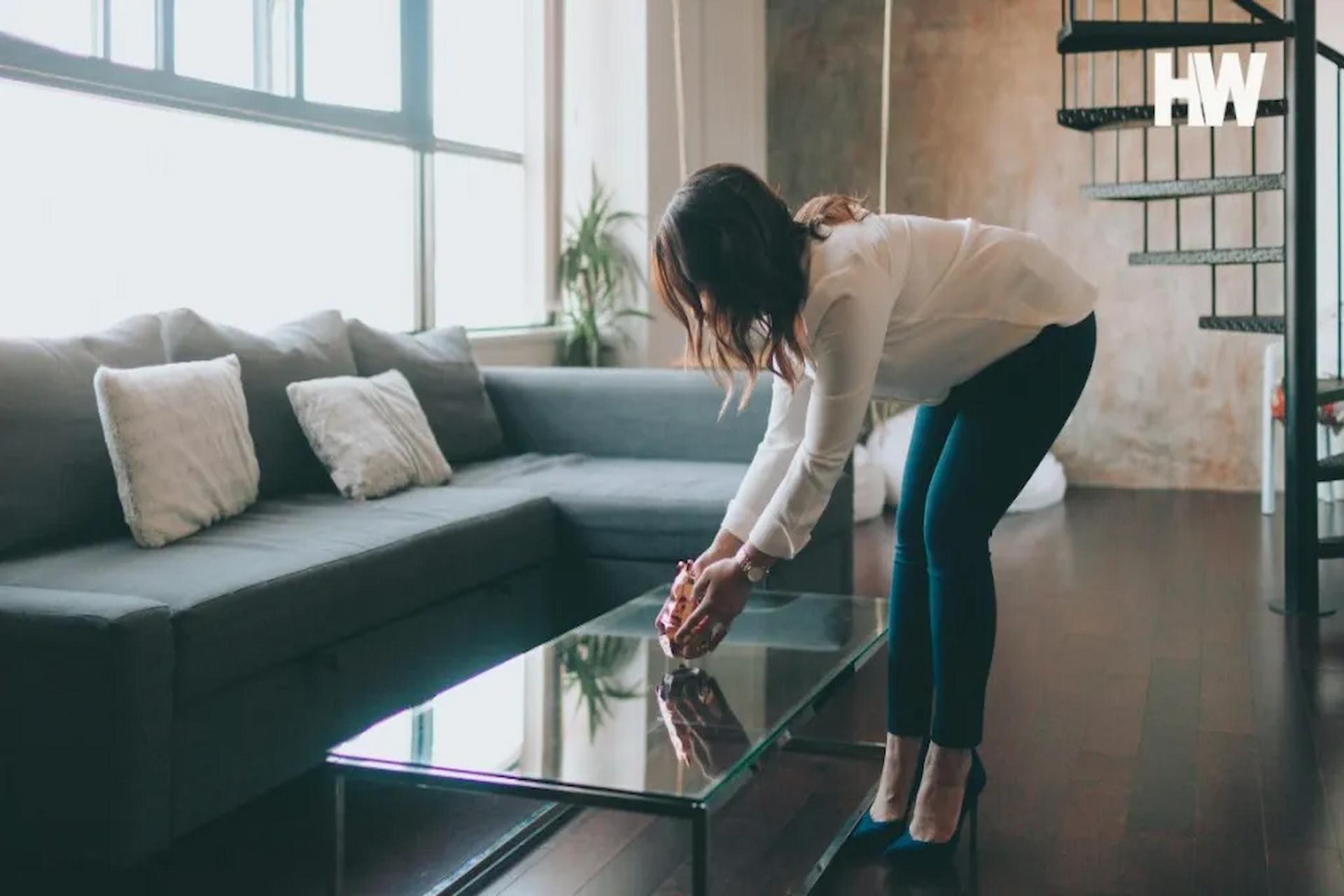
- Living Room – Often the first space where buyers form an emotional connection. Create a comfortable, spacious, and welcoming atmosphere with tidy furniture arrangements and minimal clutter.
- Kitchen – One of the most important selling features in any home. Clear countertops, organise cupboards, and remove unnecessary appliances to make the space look larger, cleaner, and more functional.
- Main Bedroom – Buyers want to see a peaceful retreat. Use fresh bedding, neutral colours, and simple décor to create a calm, relaxing environment that feels inviting.
- Bathroom – Cleanliness is essential. Ensure surfaces are spotless, add fresh towels, and use subtle accessories to create a bright, well-maintained appearance.
- Entrance Hallway – The first impression starts here. Keep the area tidy, well-lit, and free from clutter to set a positive tone for the rest of the viewing.
- Dining Area – Help buyers imagine hosting family meals or entertaining guests. A neatly arranged table and simple décor can make the space feel purposeful and appealing.
Create a Lifestyle Buyers Want
Successful staging goes beyond appearance. It tells a story. Buyers want to imagine what life could be like in the home. A neatly arranged dining table may suggest entertaining friends. A comfortable reading chair beside a window can create a sense of relaxation. Fresh flowers in the kitchen can add warmth and life.
These subtle touches help buyers connect emotionally with the property. The objective is not to stage a showroom. It is to create an environment that feels aspirational yet believable.
Professional Staging vs DIY Staging
Not every property requires professional staging.
For well-maintained homes with attractive furnishings, a thoughtful DIY approach may be enough. Decluttering, cleaning thoroughly, improving lighting, and rearranging furniture can often deliver excellent results. Professional staging may be worth considering when:
- The property is vacant.
- The home has unusual layouts.
- Existing furnishings are outdated.
- The property is in a highly competitive market.
- You want to maximise presentation for higher-value listings.
Professional stagers understand buyer psychology and know how to highlight a property’s strengths effectively. While there is an upfront cost, it can sometimes result in stronger offers that outweigh the investment.
Common Home Staging Mistakes
Many staging mistakes reduce a property’s appeal without sellers realising it.
Overdecorating can make rooms feel crowded and distracting. Strong colours and highly personalised design choices may limit buyer interest.
Poor cleanliness is another major issue. Buyers notice dust, stains, pet odours, and neglected maintenance immediately.
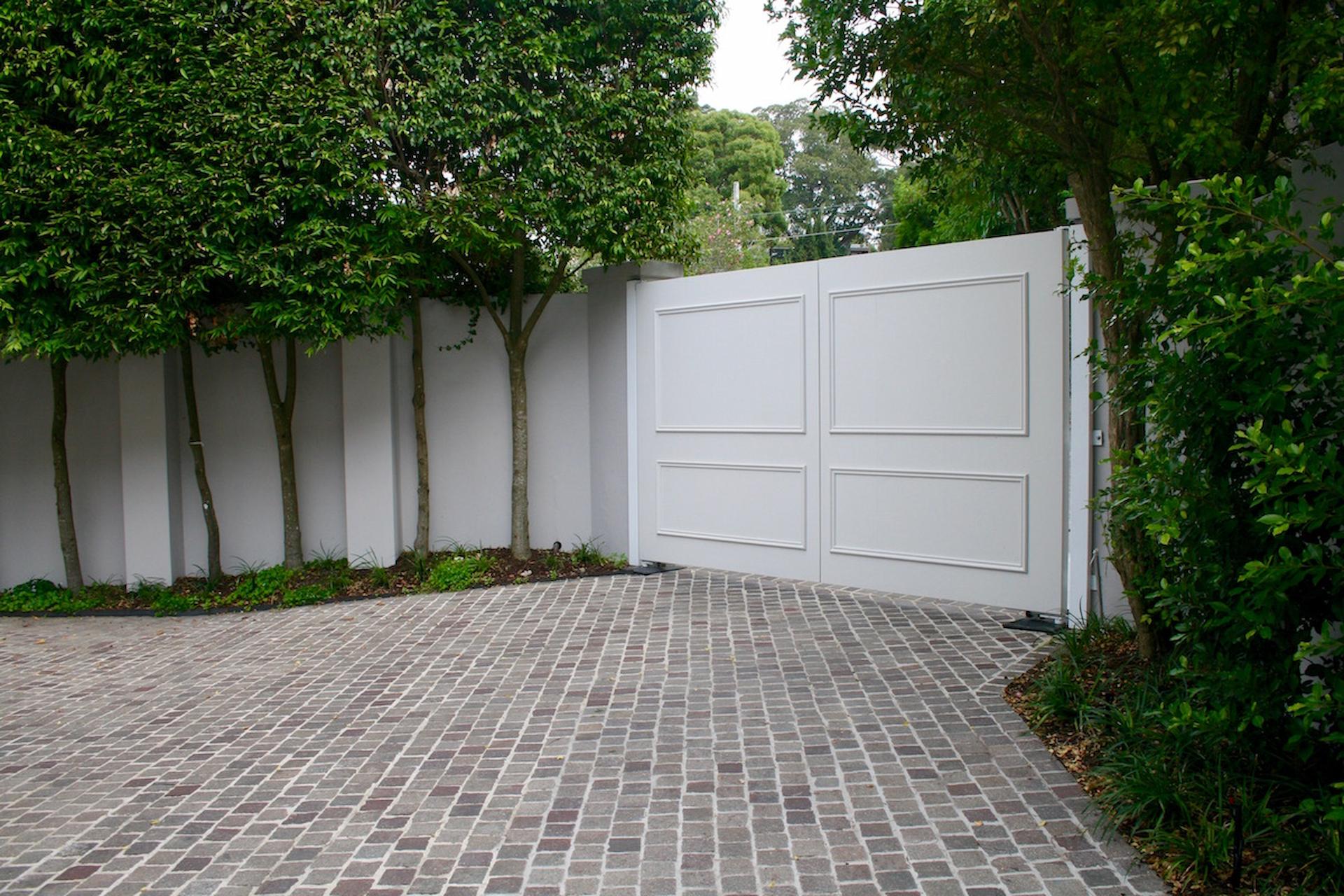
Ignoring kerb appeal can also hurt first impressions. Buyers often form opinions before they even enter the property.
Finally, avoid attempting to hide obvious problems. Buyers appreciate honesty and are likely to notice issues during inspections anyway.
FAQs
Does home staging really help sell a house?
Yes. Home staging can make a property more appealing, help buyers visualise living there, and often lead to faster sales and stronger offers.
What is the first step in staging a home?
The first step is decluttering and removing personal items so buyers can focus on the property rather than the current owner’s belongings.
Should I stage every room in my house?
Focus on the living room, kitchen, main bedroom, and bathrooms first, as these areas typically have the greatest influence on buyers.
Is professional home staging worth the cost?
Professional staging can be worthwhile for vacant homes, luxury properties, or competitive markets where presentation significantly affects buyer interest.
What colours work best for home staging?
Neutral colours such as soft whites, light greys, and warm beige tones generally appeal to the widest range of buyers.
Conclusion
Home staging is not about creating a perfect home. It is about creating a welcoming environment where buyers can easily picture their future. Small changes such as improving lighting, removing personal items, arranging furniture thoughtfully, and presenting each room with a clear purpose can have a powerful impact on buyer perception.
Whether you choose a DIY approach or hire a professional stager, the goal remains the same: help buyers form an emotional connection with the property. When buyers can see themselves living there, they are far more likely to make an offer. In today’s property market, thoughtful home staging remains one of the simplest and most effective ways to increase interest, shorten selling times, and maximise your home’s value.