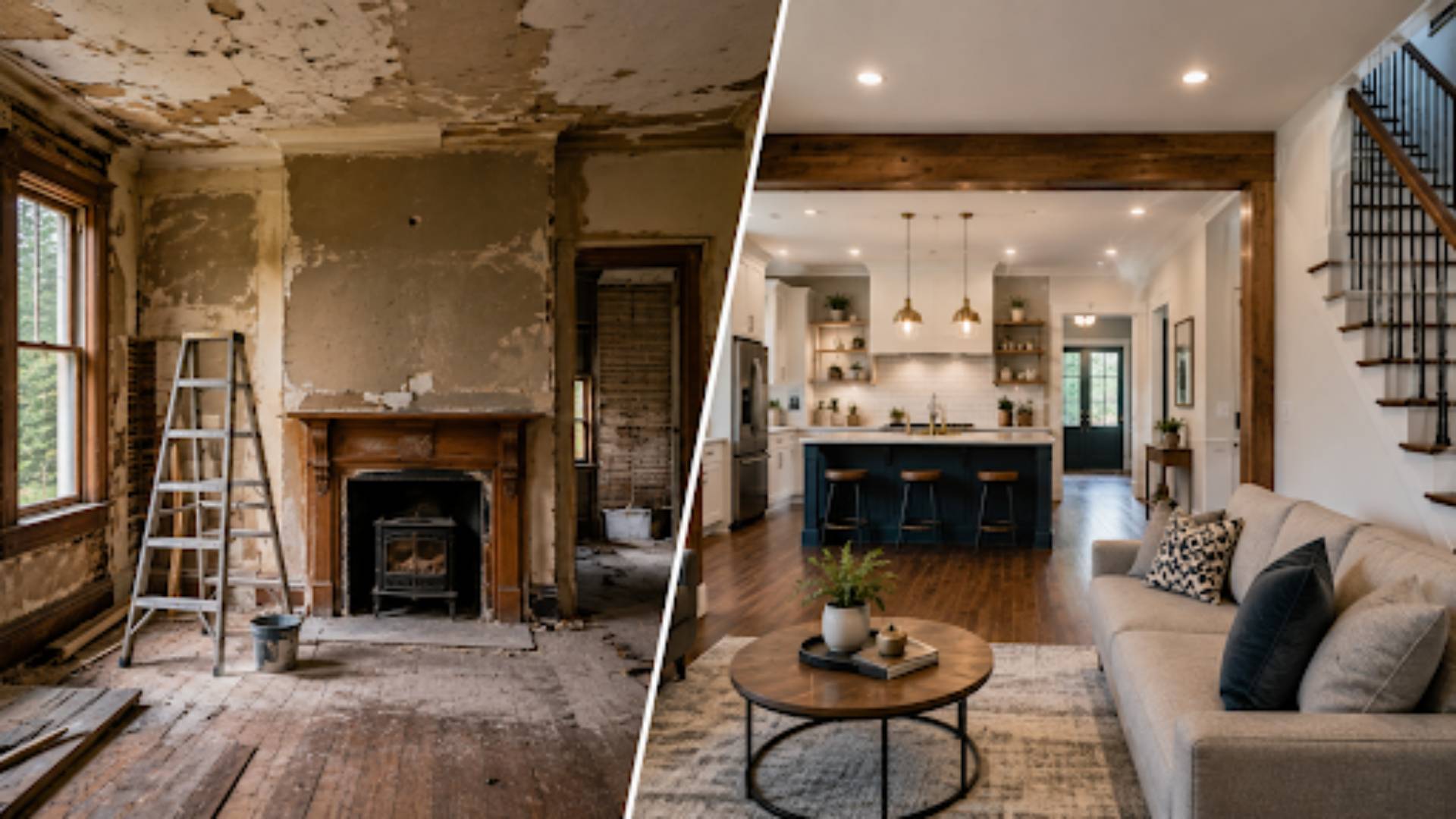
Older homes have a character that is difficult to recreate. Original woodwork, plaster walls, hardwood floors, detailed trim, traditional doors, and unusual room layouts can give a property a sense of history and personality.
But renovating an older home also comes with challenges. Behind attractive finishes, you may find outdated wiring, aging plumbing, poor insulation, moisture damage, roof problems, or structural defects that were not obvious during a viewing.
The goal is not to make an older home look brand new. A successful renovation protects what makes the property special while improving its safety, comfort, efficiency, and everyday function.
That means knowing what to repair, what to replace, what to preserve, and where modernization makes sense.
Start With a Thorough Home Assessment
Before choosing paint colours or planning a new kitchen, understand the condition of the property.
Older homes often have several interconnected systems. A problem in one area can affect another. For example, a roof leak may damage ceilings, insulation, timber, and plaster. Poor drainage around the property can contribute to moisture problems inside.
Start with a broad inspection of:
- Foundation and structural elements
- Roof and gutters
- Exterior walls
- Windows and doors
- Plumbing
- Electrical systems
- Heating and cooling
- Insulation
- Flooring
- Ceilings and plaster
- Kitchens and bathrooms
- Drainage and moisture-prone areas
A professional inspection can be particularly valuable before major renovation work. It can help identify problems that are difficult for an untrained homeowner to recognise and provide a clearer picture of what should happen first.
Repair Structural Problems Before Cosmetic Work
The most important renovation rule for an older home is simple: deal with problems that protect the building before improving its appearance.
A beautiful new kitchen cannot compensate for a leaking roof or unstable foundation.
Look for signs such as:
- Large or worsening cracks
- Uneven floors
- Sticking doors and windows
- Water stains
- Persistent dampness
- Rotting timber
- Sagging ceilings
- Damaged roof structures
- Poor drainage around the building
Not every crack or uneven surface indicates a serious structural problem. Older houses naturally settle and move over time. However, significant or changing defects should be assessed by an appropriately qualified professional.
Addressing structural concerns early can also prevent you from damaging new finishes later.
Inspect the Roof and Drainage
The roof is one of the home’s primary protective systems.
Before investing heavily in interior improvements, check its condition.
Look for damaged or missing roofing materials, deteriorated flashing, blocked gutters, poor drainage, and signs of water entry. Inside the property, inspect ceilings and upper walls for staining or signs of previous leaks.
Gutters and downpipes deserve attention too. Water that is not directed away from the building can contribute to moisture problems around foundations and exterior walls.
If the roof is nearing the end of its useful life, replacement may make more sense than repeatedly repairing individual problems.
On the other hand, a roof that is fundamentally sound may only need targeted repairs and maintenance.
Deal With Moisture Problems Early
Moisture is one of the biggest concerns when renovating an older property.
It can damage timber, plaster, flooring, insulation, paint, and other materials. Persistent moisture can also create conditions that encourage mould growth.
Before covering a damp wall with fresh paint or installing new flooring, determine why moisture is present.
Potential causes include:
- Roof leaks
- Plumbing leaks
- Poor exterior drainage
- Damaged gutters
- Condensation
- Inadequate ventilation
- Water entering around windows or doors
- Ground moisture
- Failed waterproofing
The correct solution depends on the source.
Simply painting over a stain may make the room look better temporarily, but it does not solve the underlying problem.
Check the Electrical System
Electrical systems in older homes can vary considerably depending on the property’s age and previous alterations.
Before modernising lighting, adding appliances, or installing smart-home equipment, have the electrical system assessed where appropriate.
Pay particular attention to:
- Outdated wiring
- Damaged cables
- Overloaded circuits
- Insufficient outlets
- Old electrical panels or consumer units
- Improper previous modifications
- Missing or inadequate protection
Electrical work should be handled by appropriately qualified professionals and completed according to local requirements.
Modern households often use considerably more electrical equipment than older homes were originally designed to accommodate. Adding more extension cords is not a substitute for a properly planned electrical upgrade.
Evaluate Plumbing Before Closing Up Walls
Old plumbing can become one of the more expensive surprises during renovation.
Inspect accessible pipes for leaks, corrosion, deterioration, and previous repairs. Consider the age and condition of the water supply, drainage, fixtures, and other plumbing components.
If walls or floors are already being opened, it can be a good opportunity to address plumbing problems before new finishes are installed.
However, avoid replacing functioning components simply because they are old. The condition, material, location, accessibility, and expected remaining service life should all influence the decision.
Improve Insulation and Energy Efficiency
Older homes often have less insulation and more uncontrolled air leakage than modern properties.
Improving energy efficiency can make rooms more comfortable and potentially reduce heating and cooling demand.
Possible improvements include:
- Adding suitable insulation
- Sealing unwanted air leaks
- Improving attic or roof insulation
- Upgrading inefficient windows where appropriate
- Improving door seals
- Modernising heating controls
- Replacing inefficient equipment when necessary
The right approach depends on the construction of the building.
Older solid-wall properties, for example, may require different moisture and ventilation considerations from newer cavity-wall construction.
Avoid treating insulation as a simple “add more everywhere” project. The building’s existing materials, ventilation, moisture behaviour, and local climate should be considered before making major changes.
Preserve Original Features That Add Character
One of the biggest mistakes when renovating an older home is removing everything that makes it distinctive.
Original features worth investigating for restoration include:
- Hardwood floors
- Timber doors
- Decorative trim
- Original staircases
- Fireplace surrounds
- Built-in cabinets
- Traditional windows
- Ceiling details
- Plasterwork
- Architectural mouldings
If an original feature is structurally sound, restoration may be preferable to replacement.
For example, an old timber door with a worn finish may need sanding, repair, and refinishing rather than disposal.
Likewise, original hardwood flooring may be worth restoring if the boards are sufficiently sound.
Preservation does not mean keeping everything exactly as it was. It means recognising which features contribute genuine character before removing them.
Know When Replacement Makes More Sense
Preservation is not always the right answer.
Some components may be too damaged, inefficient, unsafe, or difficult to maintain.
Replacement may be appropriate when:
- The material has deteriorated beyond practical repair
- Repairs would cost more than a suitable replacement
- The component creates a safety concern
- The existing system cannot support modern requirements
- Ongoing maintenance has become unreasonable
- Replacement provides a significant improvement in performance
The key is to compare the total long-term value of repair versus replacement.
The cheapest immediate option is not necessarily the most economical over several years.
Restore Original Windows or Replace Them?
Windows can be a difficult decision in older homes.
Original windows may contribute substantially to the property’s appearance and character. They may also be repairable.
Before replacing them, investigate whether the existing frames, glass, hardware, seals, and surrounding structure can be restored.
Possible improvements include:
- Repairing damaged frames
- Replacing worn hardware
- Improving seals
- Restoring timber
- Improving draught control
- Adding suitable secondary glazing where appropriate
Replacement may make sense when windows are severely deteriorated, unsafe, or unsuitable for the property’s needs.
Avoid assuming that every older window is automatically inefficient or every modern replacement is automatically better. The entire window system, installation quality, ventilation, appearance, and long-term maintenance all matter.
Modernize the Kitchen Without Losing Character
The kitchen is one area where modern functionality can work beautifully alongside older architectural details.
You might preserve:
- Original flooring
- Timber doors
- Exposed beams
- Existing windows
- Traditional trim
- Architectural proportions
Then introduce modern elements such as:
- Improved storage
- Efficient appliances
- Better lighting
- Modern work surfaces
- Updated plumbing
- Additional electrical outlets
- Practical drawer systems
- Modern ventilation
The result can feel contemporary without looking disconnected from the rest of the house.
If the existing kitchen layout works reasonably well, targeted improvements may be enough. If the layout creates serious problems with movement, storage, plumbing, or appliance placement, a larger redesign may be justified.
Modernize Bathrooms Carefully
Bathrooms often require a balance between contemporary performance and the home’s existing character.
Modern fixtures can dramatically improve comfort and water efficiency without requiring a completely modern aesthetic.
Consider upgrading:
- Taps and shower fittings
- Toilets
- Lighting
- Ventilation
- Storage
- Waterproofing
- Flooring
- Wall finishes
Waterproofing and moisture management should receive particular attention.
Do not preserve an old bathroom’s appearance at the expense of a sound, durable installation.
Upgrade Storage Without Losing Architectural Detail
Older homes can have beautiful proportions but limited storage.
Instead of automatically adding large built-in cabinets everywhere, look for opportunities to use underused areas.
Potential solutions include:
- Under-stair storage
- Built-in shelving
- Wardrobe improvements
- Alcove cabinets
- Tall storage units
- Kitchen organisers
- Recessed storage where appropriate
Custom storage can be designed to complement original trim and proportions rather than hiding them.
This is especially useful in bedrooms, hallways, kitchens, and living rooms where modern storage needs can otherwise overwhelm the architecture.
Add Smart Technology Selectively
Modern technology can improve an older home without making it look futuristic.
Useful upgrades may include:
- Smart thermostats
- Programmable heating controls
- Smart lighting
- Leak detection devices
- Energy monitoring
- Smart doorbells
- Security systems
- Automated blinds
The goal should be convenience and efficiency rather than installing technology simply because it is available.
Where possible, choose systems that can be maintained and replaced without requiring major changes to the building.
Think Carefully About Flooring
Original flooring can be one of the most valuable features in an older property.
Before replacing it, determine whether it can be repaired or refinished.
Look for:
- Water damage
- Rot
- Loose boards
- Previous alterations
- Uneven areas
- Structural concerns
- Excessive wear
Some imperfections are part of the character of an older floor.
If replacement is necessary, choose materials that complement the home’s proportions and architectural style.
New flooring does not need to look artificially old. A simple contemporary material can work well when its colour, texture, and scale relate to the original architecture.
Preserve Plaster When Practical
Traditional plaster can have a different appearance and character from modern drywall systems.
Hairline cracks and surface imperfections do not automatically mean the entire wall needs to be removed.
Where the plaster remains sound, careful repair may preserve more of the home’s original character.
However, extensive deterioration, moisture damage, or major renovation requirements may make replacement more practical.
Before covering or removing original plaster, understand why it has deteriorated and whether the underlying problem has been addressed.
Plan for Hidden Problems
Older-home renovations often involve uncertainty.
Walls may conceal outdated wiring. Floors may hide damaged subfloors. Previous owners may have completed alterations that were not documented clearly.
This is why contingency planning matters.
A renovation budget should not be based solely on the visible work.
Potential surprises include:
- Hidden water damage
- Rot
- Pest damage
- Damaged wiring
- Outdated plumbing
- Uneven structural elements
- Unexpected demolition requirements
- Poor previous repairs
- Additional preparation work
The more unknowns a property contains, the more important it is to maintain financial flexibility.
Create a Repair, Replace, Preserve, and Modernize List
A simple four-column assessment can help keep decisions organised.
Repair
Use this category for features that are basically sound but have identifiable defects.
Examples include:
- Leaking gutters
- Damaged trim
- Loose flooring
- Minor window deterioration
- Worn hardware
Replace
Use this category for components that are unsafe, severely deteriorated, or no longer practical to maintain.
Examples might include:
- Failed roofing materials
- Severely damaged flooring
- Unsafe electrical components
- Heavily deteriorated plumbing
- Irreparable fixtures
Preserve
Use this category for original features that contribute architectural character and remain worth saving.
Examples include:
- Original doors
- Timber floors
- Decorative moulding
- Staircases
- Fireplaces
- Traditional windows
Modernize
Use this category for improvements that make the property work better for contemporary life.
Examples include:
- Improved insulation
- Better lighting
- Modern kitchen storage
- Updated bathrooms
- Efficient heating controls
- Smart-home technology
- Additional electrical outlets
This framework prevents every problem from being treated as either “keep everything” or “replace everything.”
Renovate in the Right Order
The sequence of work can make a major difference.
A sensible general order is:
- Professional inspections and assessment
- Structural and safety issues
- Roofing and moisture problems
- Electrical and plumbing upgrades
- Insulation and building performance improvements
- Windows and doors where required
- Kitchen and bathroom work
- Wall and ceiling repairs
- Flooring
- Painting and decorative finishes
- Final fixtures and styling
The exact order will vary by property.
The important principle is to avoid completing expensive cosmetic work before necessary hidden systems have been addressed.
Do Not Forget Permits and Local Requirements
Older homes can have complicated renovation histories.
Before making significant structural, electrical, plumbing, exterior, or layout changes, determine whether permits, approvals, inspections, or other local requirements apply.
Requirements vary by location and by the type of work being undertaken.
If the property has heritage or conservation protections, additional restrictions may apply to certain alterations.
Do not assume that because something was done by a previous owner, it automatically meets current requirements.
When Should You Hire Professionals?
DIY work can make sense for suitable cosmetic projects, particularly painting, simple decorating, and certain minor improvements.
However, professional advice is particularly valuable when the project involves:
- Structural concerns
- Roofing
- Major electrical work
- Significant plumbing changes
- Moisture problems
- Foundation concerns
- Complex alterations
- Hazardous materials
- Heritage-sensitive work
- Major changes to building systems
A professional inspection can sometimes save money by identifying a problem before it becomes part of a much larger renovation.
Common Older-Home Renovation Mistakes
Removing Character Too Quickly
Do not demolish original features before determining whether they can be repaired.
Starting With Cosmetic Work
New paint and flooring should not take priority over structural, moisture, electrical, or plumbing concerns.
Assuming Everything Old Is Bad
Age alone does not determine whether a component needs replacement.
Assuming Everything Original Must Be Preserved
Some systems are simply no longer safe, practical, or suitable for modern use.
Underestimating the Budget
Hidden conditions can make older-home renovations less predictable than straightforward cosmetic updates.
Ignoring Ventilation
Improving insulation and sealing air leaks without considering ventilation can create new moisture or indoor-air problems.
Making Modern Additions Look Disconnected
A contemporary kitchen or bathroom can work in an older property, but scale, materials, colours, and proportions should relate to the home’s existing character.
Frequently Asked Questions
Is renovating an older home worth it?
It can be, particularly when the property has strong architectural character, a suitable location, or features that would be difficult to reproduce. The decision should be based on the home’s condition, renovation costs, long-term plans, and the value of preserving its original qualities.
What should I fix first in an old house?
Start with issues that affect safety, structural integrity, water management, and essential building systems. Roof problems, significant moisture, structural concerns, unsafe electrical systems, and major plumbing defects generally deserve attention before cosmetic improvements.
Should I replace old windows or restore them?
It depends on their condition and performance. Sound original windows may be worth repairing and improving, while severely deteriorated or unsuitable windows may justify replacement. Assess the complete window system rather than judging it solely by age.
Should original features be preserved during renovation?
When original features are sound and contribute meaningful architectural character, preservation can be worthwhile. However, unsafe or severely deteriorated components may need replacement.
How much contingency should I allow for an older-home renovation?
There is no universal percentage because projects vary significantly. Older properties with unknown conditions generally warrant more financial flexibility than straightforward cosmetic renovations. A professional assessment can help identify some of the risks before work begins.
Conclusion
Renovating an older home is a balancing act between protecting the past and making the property work for the present.
Start with the building itself. Inspect the structure, roof, moisture conditions, plumbing, electrical systems, insulation, windows, and other essential components before investing heavily in finishes.
Then look more closely at the features that give the home its personality. Original floors, doors, plaster, trim, fireplaces, and other architectural details may be worth restoring rather than replacing.
At the same time, there is no need to reject modern improvements. Better insulation, practical storage, efficient fixtures, updated kitchens and bathrooms, improved lighting, and carefully selected technology can make an older property significantly more comfortable.
The best renovation is rarely the one that makes an old home look completely new. It is the one that preserves what is valuable, fixes what is failing, and modernizes what no longer meets the needs of everyday life.