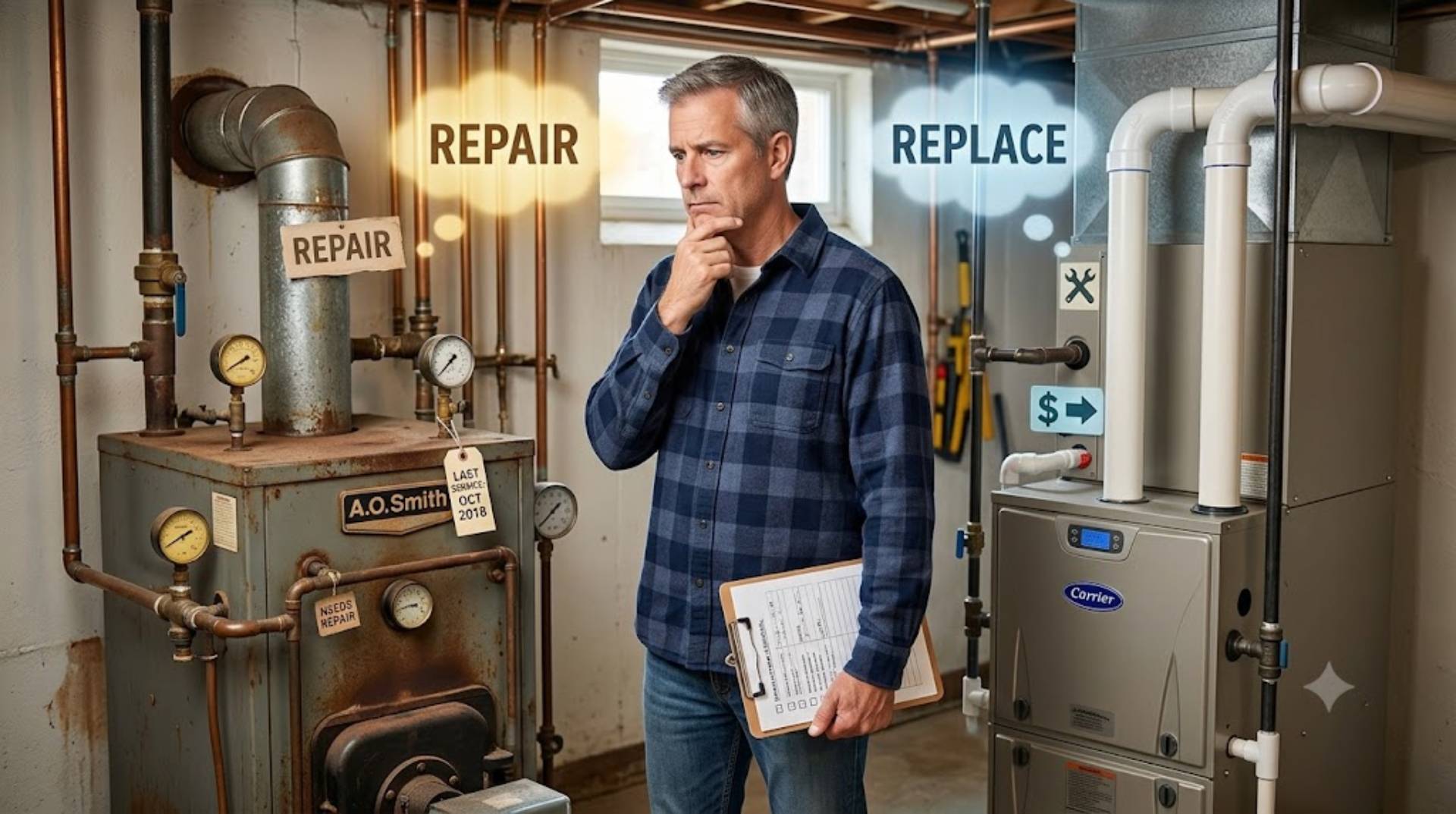
Your home’s heating system plays a vital role in keeping your living space comfortable, especially during the colder months. Like any major household appliance, however, it won’t last forever. As heating equipment ages, homeowners often face a common question: Is it better to repair the existing system or invest in a replacement?
The answer depends on several factors, including the unit’s age, repair costs, energy efficiency, and overall performance. If your system has recently started experiencing issues, scheduling a professional inspection or seeking expert heater repair Dublin services can help you determine whether repairs are still a practical option or if replacement is the smarter long-term investment.
Consider the Age of Your Heating System
One of the first things to evaluate is how old your heating system is. Most furnaces and boilers have an average lifespan of 15 to 20 years, although proper maintenance can sometimes extend that range.
If your heating system is less than 10 years old and has been well maintained, repairing it is often the most cost-effective solution. However, once it approaches the end of its expected lifespan, even small problems may signal that larger issues are on the horizon.
Older systems also become less efficient over time, making them more expensive to operate even when they appear to be functioning normally.
Compare Repair Costs With Replacement Costs
A simple repair can often restore a heating system to reliable operation. Replacing a faulty thermostat, igniter, or blower motor is usually far less expensive than installing an entirely new system.
However, if repairs become frequent or involve major components such as the heat exchanger, the total cost can quickly add up.
Many HVAC professionals recommend considering replacement if a single repair costs more than half the price of a new system, particularly if the equipment is already nearing the end of its lifespan. Spending large amounts on repeated repairs may only delay an inevitable replacement.
Pay Attention to Rising Energy Bills
Heating systems naturally lose efficiency as they age. Internal components wear down, airflow becomes restricted, and older technology often consumes more energy than modern equipment.
If you’ve noticed your utility bills steadily increasing despite similar weather conditions and heating habits, your aging system may be working much harder than necessary.
Today’s high-efficiency heating systems use advanced technology to deliver consistent warmth while consuming less energy. Although replacing your system requires a larger upfront investment, the long-term savings on energy bills can offset a significant portion of the cost.
Evaluate Overall Comfort
Your heating system should keep every room in your home consistently comfortable. If some rooms feel cold while others become excessively warm, your system may be struggling to distribute heat evenly.
Other warning signs include:
- Frequent cycling on and off
- Unusual noises such as banging or rattling
- Weak airflow from vents
- Difficulty maintaining the thermostat setting
- Longer heating cycles than usual
While some of these issues can be repaired, multiple comfort problems often indicate that the system is no longer performing efficiently.
Think About Reliability
Few things are more frustrating than a heating system breaking down during the coldest part of the year. If you’ve had to schedule repairs several times over the past few seasons, reliability becomes a major consideration.
An older heating system with recurring issues not only creates inconvenience but can also leave your family without heat when you need it most.
Replacing an unreliable system can provide greater peace of mind, especially before winter arrives.
Consider Safety Concerns
Safety should always come before cost.
Some heating problems involve risks that extend beyond comfort. Cracked heat exchangers, gas leaks, faulty burners, or damaged electrical components can create serious hazards, including carbon monoxide exposure or fire risks.
If a qualified technician identifies significant safety concerns, replacement is often the safest recommendation. Continuing to repair a system with critical structural or safety issues may not be worth the risk.
Factor in Environmental Impact
Older heating systems generally consume more fuel and produce higher emissions than modern high-efficiency models.
If reducing your home’s environmental footprint is important to you, upgrading to a newer system can lower energy consumption while improving indoor comfort. Many modern heating units are designed to meet stricter efficiency standards, helping homeowners reduce both operating costs and environmental impact.
Don’t Forget Maintenance History
The condition of your heating system depends heavily on how well it has been maintained.
A system that has received annual inspections, filter changes, and preventive maintenance will typically last longer than one that has been neglected.
If your heating system has been properly serviced throughout its life and recently developed a minor issue, repair may still be a worthwhile option. On the other hand, a poorly maintained system with multiple worn components may continue developing problems even after repairs are completed.
Questions to Ask Before Making a Decision
Before choosing between repair and replacement, consider these questions:
- How old is the heating system?
- How often has it required repairs?
- Are your heating bills increasing?
- Is your home consistently comfortable?
- Does the repair involve a major component?
- Are there any safety concerns?
- Would a new system significantly improve energy efficiency?
Answering these questions can help you evaluate the long-term value of each option rather than focusing only on the immediate repair cost.
Final Thoughts
Deciding whether to repair or replace an aging heating system isn’t always straightforward. Minor issues on relatively new equipment are often worth fixing, while older systems with frequent breakdowns, declining efficiency, or safety concerns usually make replacement the better long-term investment.
Taking the time to assess your system’s age, repair history, operating costs, and overall performance can help you make a decision that balances comfort, reliability, and long-term savings. Consulting a qualified heating professional is the best way to understand your options and choose the solution that best fits your home’s needs.