
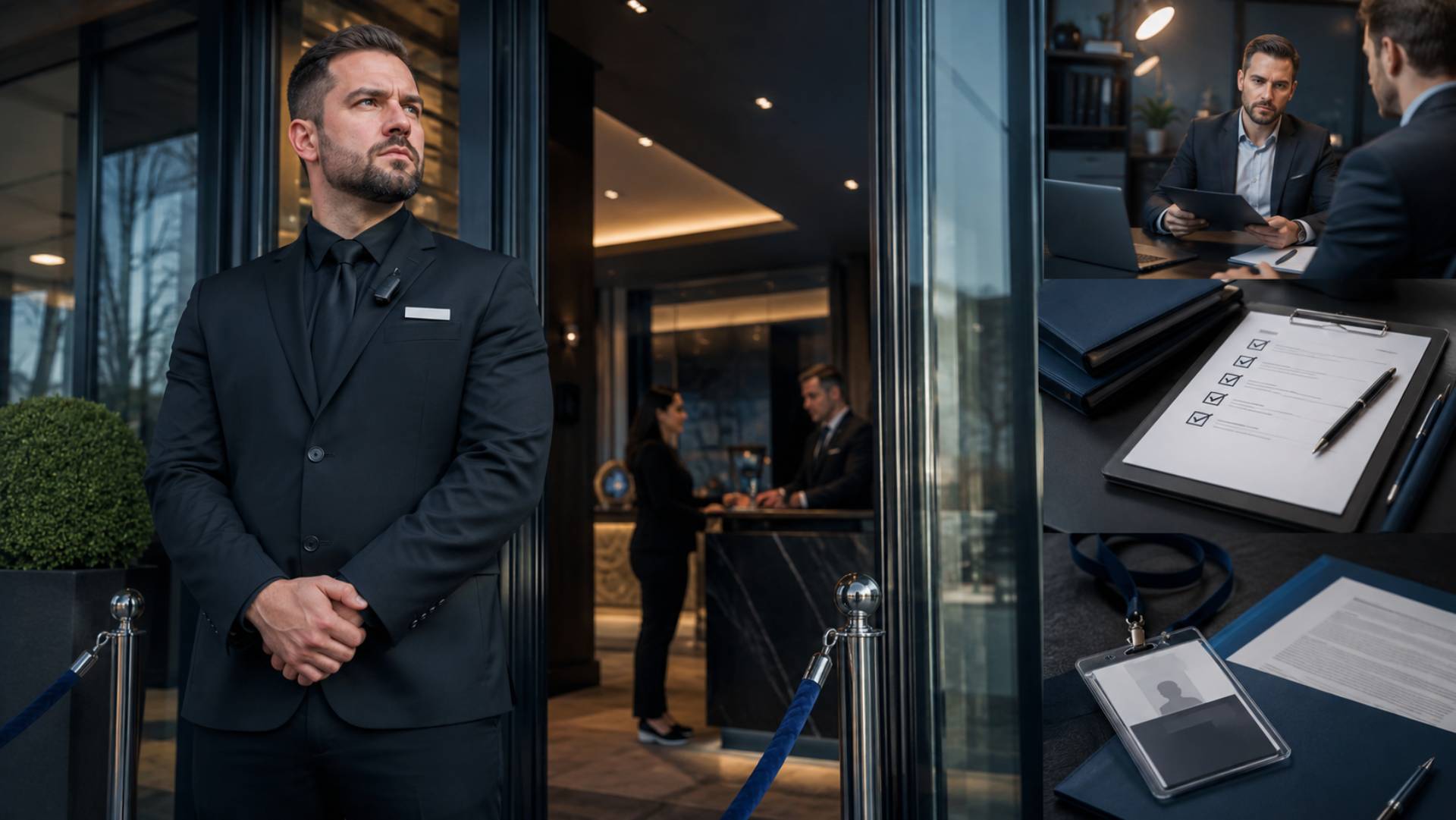
Good door supervision protects people, premises and reputation. The right team can prevent trouble, manage entry fairly and respond calmly when pressure rises. This guide explains the essential checks behind SIA licensing, insurance and responsible hiring, helping venue operators choose dependable protection without guesswork or avoidable compliance gaps later on.
Hiring door supervisors involves far more than finding people who look confident at an entrance. These professionals manage access, discourage disorder, protect customers and support safe venue operations. A poor hiring decision can expose a business to legal, financial and reputational harm. Before appointing a contractor, confirm that every operative is properly licensed, insured and vetted for the role. A reputable security agency in London should explain its checks clearly and provide evidence when requested. Understanding SIA requirements, insurance cover and operational standards will help you select door supervisors who remain professional, alert and composed throughout every shift they undertake.
Understand When an SIA Licence Is Required
Door supervision at licensed premises is a regulated activity. Anyone guarding such a venue against theft, damage, unauthorised access or disorder generally needs a front-line Security Industry Authority door supervisor licence. This requirement applies whether the individual works through an external contractor or directly for the venue.
A standard security guarding licence is not always sufficient. Door supervisors at premises licensed to sell alcohol or provide regulated entertainment need the appropriate door supervision qualification. Current SIA guidance explains which activities require each licence type.
Check the exact duties before booking staff. Someone checking invitations may fall outside licensing rules, but refusing entry or removing customers can turn the position into a licensable role.
Verify Every Licence Properly
Never accept a uniform, badge or photocopied card as enough evidence. Check each operative’s details against the official SIA register before the first shift. Confirm the photograph, name, licence number, permitted activity and expiry date.
Licences can expire, be suspended or be revoked. Verification should form part of routine contract management, not just the initial hiring process. Keep a dated record of each check and arrange reminders before expiry dates.
Front-line operatives must usually display their SIA licence while working. A missing badge deserves immediate attention unless a recognised exemption applies. The contractor should have a clear process for replacing an operative whose licence becomes invalid.
Examine Insurance Without Making Assumptions
Ask the provider for current insurance certificates and read what they cover. Public liability insurance can respond when security activity causes injury or property damage. Employers’ liability insurance is generally required when a company employs staff. Professional indemnity cover may provide protection against certain claims involving errors in the service supplied.
Check policy limits, expiry dates, exclusions and the insured company name. The activities described by the policy should match the proposed work. Door supervision, crowd management and licensed premises may carry different risks from ordinary guarding.
Send unusual venue details to the provider in writing. Late closing, outdoor areas, large capacities or high-risk events may affect whether existing cover is suitable.
Look Beyond the Licence
An SIA licence is an important legal safeguard, but it does not guarantee that an operative suits every venue. Effective due diligence should cover identity, right to work, employment history, training, communication skills and relevant screening.
Ask how the provider vets personnel, manages Disclosure and Barring Service checks where appropriate, and confirms English proficiency. Explore how frequently staff receive refresher training in conflict management, physical intervention, emergency procedures and customer care.
A dependable security agency in London should match personnel to the venue rather than filling shifts with whoever is available. Temperament matters. Door supervisors must be firm without becoming confrontational and approachable without losing authority.
Review Management and Reporting Arrangements
Strong supervision behind the scenes is as important as performance at the door. Establish who creates the assignment instructions, briefs staff and deals with problems during a shift. Confirm whether managers remain available outside normal office hours.
Written instructions should define entry policies, search procedures, prohibited items, emergency exits, capacity controls and escalation routes. Staff must understand when to involve venue management, emergency services or the police.
Agree how incidents will be recorded. Reports should be factual, timely and stored securely. Personal information, body-worn video and CCTV material must be handled in line with data protection requirements.
Assess Service Quality Before Signing
Request a written proposal that defines staffing numbers, working hours, duties, pricing, cancellation terms and replacement arrangements. Cheap hourly rates can conceal weak supervision, limited training or unreliable cover.
Ask what happens when an operative is ill, delayed or unsuitable. Confirm how quickly replacements can arrive and whether the company conducts site visits or performance audits.
Accreditations can support your assessment, but no single badge replaces detailed checks. Look for transparent procedures, responsive management and clear accountability. The provider should be willing to discuss risks and create a security plan suited to the premises.
Wrapping Up
Hiring door supervisors responsibly protects more than the entrance. It supports customer safety, licence conditions, staff confidence and the venue’s reputation. Begin by defining the role and confirming which SIA licence it requires. Verify every operative through the official register, inspect the provider’s insurance and retain evidence of your checks. Review vetting, training, management cover and incident reporting before agreeing to a contract.
Clear assignment instructions are essential. They help supervisors apply entry policies consistently, respond proportionately and understand when an incident must be escalated. Regular reviews keep standards visible once the service begins.
Price matters, but competence, accountability and reliable management deserve greater weight. Thorough checks reduce compliance gaps and make service expectations clear from the outset. Choosing an established security agency in London can provide the licensed personnel, operational oversight and dependable support needed to keep a venue safe.